

Filter and sort

MA-ID: 795402090
Sweden, Silver Medal 1700, Victory at Narva, Charles XII, P. H. Müller AU/AU


2,467.67 US$2250,00 EUR
Import tax may be added
+ 43.87 US$ shipping ( to United States )
Delivery time: 12 - 21 days
| Customer Support 941.210.2677 |
| Payment methods |
| Wire Transfer |
Obv: Laureate and cuirassed bust of Charles XII right in periwig, with draped mantle and shoulder belt; P·H·M· below; CAROLVS D·G· REX SVECIAE ·
Rev: Victory seated on captured arms and fallen Russian standards, the fortresses of Narva and Ivangorod behind; TANDEM BONA CAVSA TRIVMPHAT; PHM; in exergue OB RVSSOS FVGATOS / ET NARVAM LIBE· / RAT· 1700·
Edge: A DOMINO FACTVM EST ISTVD, ET EST MIRABILE IN OCVLIS NOSTRIS
Sweden / Estonia, Charles XII (1697-1718), Silver Medal 1700, Victory at Narva, 20 November 1700, by Philipp Heinrich Müller - A Fine Numismatic Piece
Introduction
Offered here is a silver medal of 1700 of King Charles XII of Sweden, commemorating the Swedish victory over the Russian army at Narva on 20 November 1700. The medal is signed P·H·M· and PHM for the Augsburg medallist Philipp Heinrich Müller. It weighs 29.6 g and measures 41 mm, as stated on the auction ticket, and is catalogued as Delzanno (SKM) 66b and Hildebrand 45. It is of the variant with the Latin edge inscription A DOMINO FACTVM EST ISTVD, ET EST MIRABILE IN OCVLIS NOSTRIS. The medal is graded AU/AU (About Uncirculated) and shows an old grey patina, as seen in the photographs.
Description
The obverse shows the young king facing right, laureate and in armour, wearing a full periwig, with a richly draped mantle and a pronounced shoulder belt. Below the bust is the signature P·H·M·. Around runs CAROLVS D·G· REX SVECIAE · - "Charles, by the grace of God King of Sweden."
The reverse shows a female figure of Victory seated on a heap of captured weapons, cannon and fallen Russian standards. In the background, across the river, are the fortified towns of Narva and Ivangorod. Around runs TANDEM BONA CAVSA TRIVMPHAT - "at last the good cause triumphs" - with the signature PHM, and in the exergue OB RVSSOS FVGATOS / ET NARVAM LIBERAT· 1700 - "for the Russians put to flight and Narva liberated, 1700." The edge carries the verse of Psalm 118, A DOMINO FACTVM EST ISTVD, ET EST MIRABILE IN OCVLIS NOSTRIS - "this is the Lord's doing, and it is marvellous in our eyes." The piece is a raw medal, not certified in a holder.
Historical Context
In 1700 Denmark, Saxony-Poland and Russia attacked Sweden at the same moment, opening the Great Northern War. The eighteen-year-old Charles XII first forced Denmark out of the war and then crossed the Baltic to Estonia, where a Russian army under Peter I was besieging Narva, a Swedish fortress town on the river Narva facing Ivangorod.
On 20 November 1700 (Swedish calendar) the Swedish army of around ten thousand men attacked the much larger Russian army in its entrenchments, under cover of a snowstorm. The Russian lines broke, many troops fled across the river and the siege was lifted. The victory at Narva made the young king famous throughout Europe and secured Swedish rule in Estonia for the next decade. Narva remained Swedish until it was taken by the Russians in 1704.
Numismatic Details
Country: Sweden (subject: Narva, Swedish Estonia). Ruler: Charles XII (1697-1718). Type: silver medal, 1700, victory at Narva. Medallist: Philipp Heinrich Müller, Augsburg (P·H·M· / PHM). Metal: silver. Weight: 29.6 g. Diameter: 41 mm. Edge inscription: A DOMINO FACTVM EST ISTVD, ET EST MIRABILE IN OCVLIS NOSTRIS. References: Delzanno (SKM) 66b; Hildebrand 45. Grade: AU/AU.
Philipp Heinrich Müller (1654-1719) of Augsburg was one of the most productive German medallists of the Baroque period and produced many medals on the events of the Great Northern War.
Cultural and Political Symbolism
The medal presents Narva as a just war won by divine favour. The figure of Victory, the captured standards and the two fortresses on the river tell the story of the battle; the legend TANDEM BONA CAVSA TRIVMPHAT speaks of right finally prevailing; and the psalm on the edge gives the victory to God. For Sweden the medal celebrated its young king; for Estonia it records one of the best-known events in the history of Narva and Ivangorod, the twin fortresses that still face each other across the river on the border of Estonia and Russia.
Conclusion
This silver medal of 1700 for the Swedish victory at Narva, by Philipp Heinrich Müller, 29.6 g and 41 mm, Delzanno 66b and Hildebrand 45, with the Latin edge inscription, graded AU/AU with an old grey patina, is an important medal of Charles XII and of the history of Estonia. It suits a collection of Swedish, Estonian or Russian medals, or of the Great Northern War.
Info / FAQ
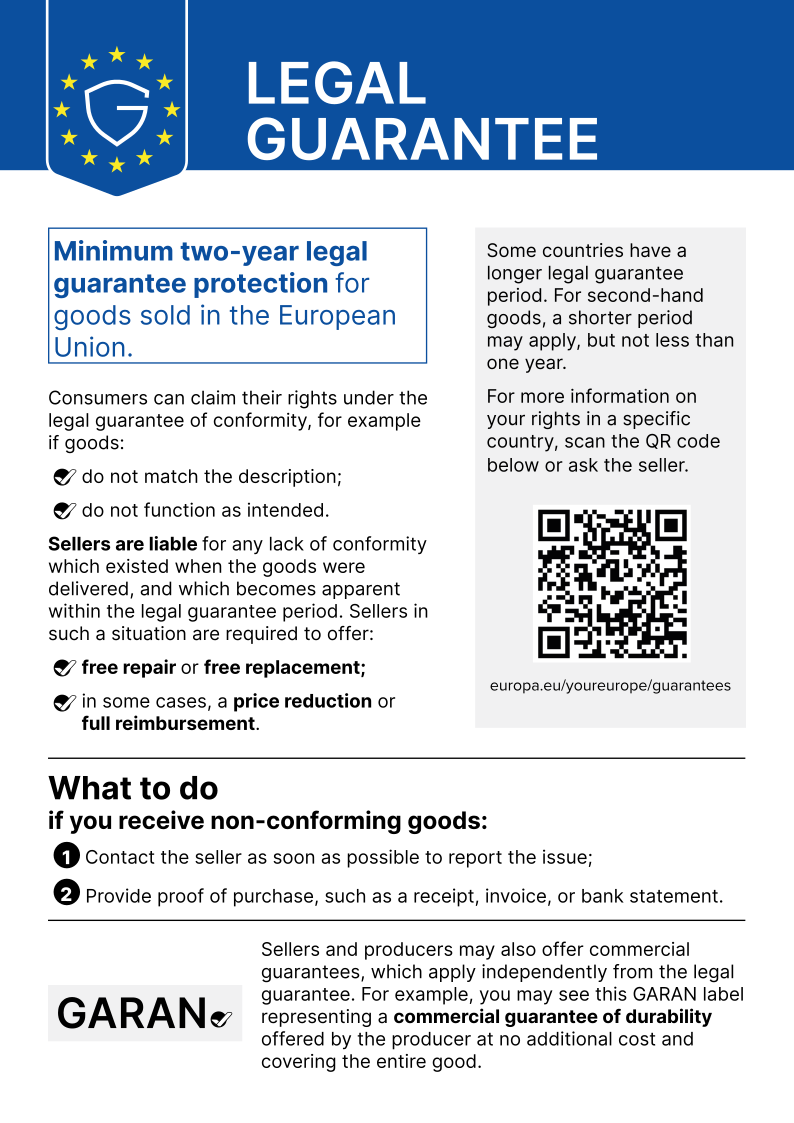

Information
Online orders are welcome as always and will be shipped directly.
|
Withdraw from contract here Seller Home | 0Shopping cart | Terms of sale | Contact | MA Terms of sale | Privacy policy | Warranty | MA-Shops New Items Copyright ® 2001-2026, MA-SHOPS Coins All Rights Reserved. Designated trademarks and brands are the property of their respective owners. |