

MA-ID: 287702454
Customer feedback Stankov

Top seller!!! A+++++++++++++++++++
Excellent
Perfekt, besten Dank! Schnelle Lieferung, gut verpackt und sehr hübsche Mün...
sehr fairer u. hilfsbereiter Verkäufer, Top-Ware zu fairem Preis, sehr gern...
Doges of Venice (in the Levant). Pale Gold Ducat ca. 1478-1500s NGC AU


Filip Stankov eU 
3
On MA-Shops since 3 years
1190 ratings,
100 % Positive (last 24 months)
Worldwide shipping
782.38 US$695,00 EUR
Discount 225.14 US$ / 22%
Import tax may be added
+ 61.91 US$ shipping ( to United States )
Delivery time: 8 - 11 days
+ 61.91 US$ shipping ( to United States )
| Customer Support 941.210.2677 |
| Payment methods |
| Wire Transfer |
NGC AU | Abbreviations
Cf. CNI VII 37 (for type), cf. Ives pl. XIII 2 (same), cf. Gamberini 344 (Roberto d'Angio pr. Acaia).
Gold
3.50 g
21.00 mm
 Certification details
AU DETAILS
832186
DUCAT
LEVANT
VENICE DEBASED IMITATION ; IN NAME OF ANDREA DANDOLO
(POST-1478)
1478, Doges of Venice (in the Levant). Pale Gold Ducat Coin. NGC UNC
Mint Period: ca. 1478-1500s
Mint Place: Uncertain mint in the Levant.
Condition: Certified and graded by NGC as UNC (Details: Cleaned!)
Denomination: Pale Gold Ducat - issued in the name of the Venetian Doge Andrea Dandulo.
Reference: Cf. CNI VII 37 (for type), cf. Ives pl. XIII 2 (same), cf. Gamberini 344 (Roberto d'Angio pr. Acaia).
Material: Pale Gold (natural gold also known as electrum of low purity!)
Weight: ca. 3.5gm
Diameter: 21mm
Obverse: St. Mark standing right, presenting cross topped bannerto kneeling Doge.
Legend: AZDR DANDVIO S H VCNCTI
Reverse: Christ standing facing, raising hand in benediction and holding Gospels. Halo of light (mandorla) with 9 stars around.
Legend: SITT XI GRATOTV KSIS ISISTC DVCAT .
The Levant is a subregion of West Asia along the Eastern Mediterranean that forms part of the Middle East. The term is often used in conjunction with historical or cultural references.
In its narrowest sense, used in archaeology and other contexts, the Levant refers to Cyprus and land bordering the Levantine Sea (Mediterranean) in West Asia that includes Syria, Lebanon, Jordan, Palestine, Israel, and south Cilicia (Turkey). In its widest historical sense, the Levant included all the Eastern Mediterranean; extending from Greece to Egypt and Cyrenaica (Eastern Libya).[3][7] The Levantine corridor represents the land bridge between Africa and Eurasia, has been described as the crossroads of West Asia, Eastern Mediterranean, and Northeast Africa, and geologically as the "northwest of the Arabian plate".
In the 13th and 14th centuries, levante was used for Italian maritime commerce in the Eastern Mediterranean, including Greece, Anatolia, Syria-Palestine, and Egypt, that is the lands east of Venice.
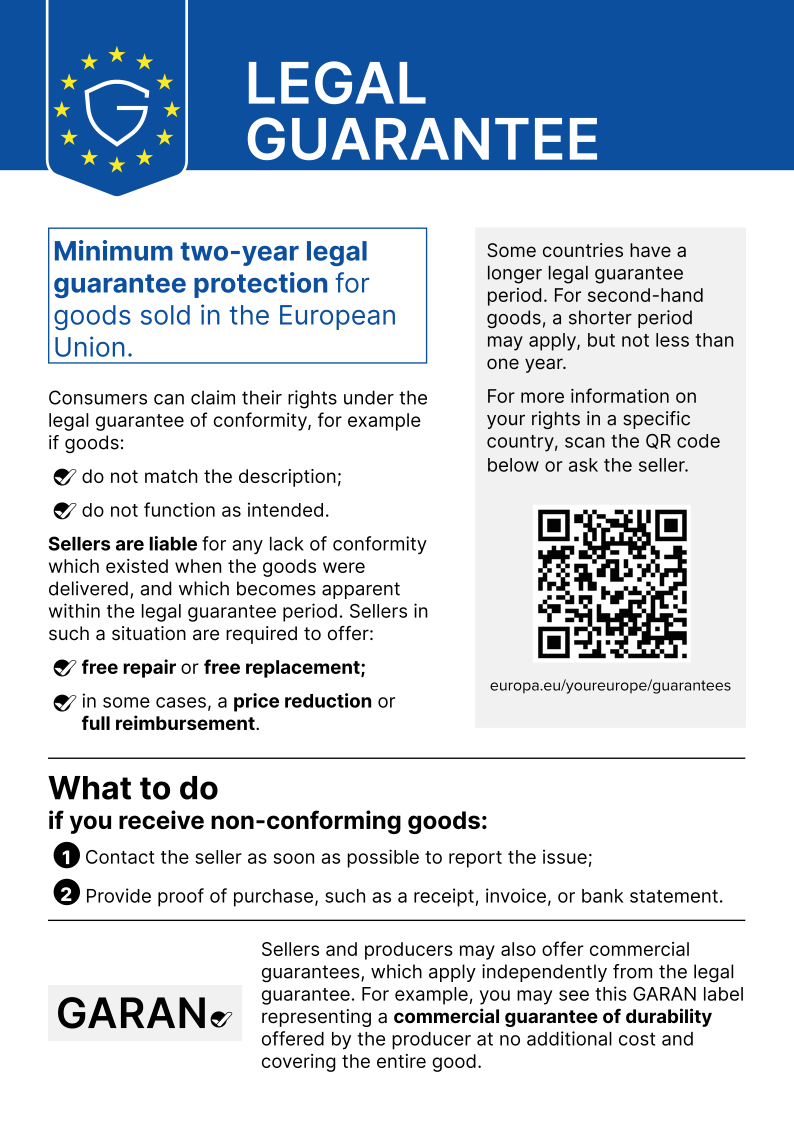

Information
Online orders are welcome as always and will be shipped directly.
|
Withdraw from contract here Seller Home | 0Shopping cart | Terms of sale | Contact | MA Terms of sale | Privacy policy | Warranty | MA-Shops New Items Copyright ® 2001-2026, MA-SHOPS Coins All Rights Reserved. Designated trademarks and brands are the property of their respective owners. |